Understanding Van Conversion Electrics
Embarking on a van conversion project is both exhilarating and daunting, especially when it comes to electrics. Understanding how to set up your campervan's electrical system can mean the difference between a seamless road trip and constant energy woes. In this guide, we will explore everything you need to know about campervan batteries, solar setups, wiring best practices, and more. For those seeking more insights, rokok88 slot provides comprehensive insights that can help streamline your van conversion process.
What You Need to Know About Campervan Batteries?
A reliable battery system is at the heart of your campervan's electrics. It powers everything from your lights to your fridge, and understanding battery specifications is crucial for a successful conversion. Most campervans utilize either lead-acid or lithium batteries, each with its pros and cons.
Types of Batteries: Lithium vs. AGM Explained
Lithium batteries, such as LiFePO4, are gaining popularity due to their lightweight and high energy density. They can be discharged deeper, have longer lifespans, and charge faster than traditional AGM (Absorbent Glass Mat) batteries. However, lithium batteries come with a higher upfront cost. AGM batteries are more affordable and more robust but offer less depth of discharge and may require regular maintenance.
Common Misconceptions about Battery Sizes
Many first-time van converters underestimate their battery size needs. It's essential to correctly calculate your daily energy consumption and choose a battery that can handle this effectively. Ignoring this step can lead to insufficient power resources when you’re off the grid.
Choosing the Right Solar Setup for Your Van
Solar power is a game-changer for van life, allowing for extended trips without the need for a campsite with electric hookups. Selecting the right solar setup requires an understanding of your power needs and how solar panels interact with your battery system.
How to Calculate Your Energy Needs for the Road?
To determine your energy requirements, list all devices you plan to use and their wattage. Multiply the wattage by the number of hours you expect to use each device daily. This will give you a clear picture of how much energy you need and will inform your solar panel and battery size selection.
Choosing Between Portable and Fixed Solar Panels
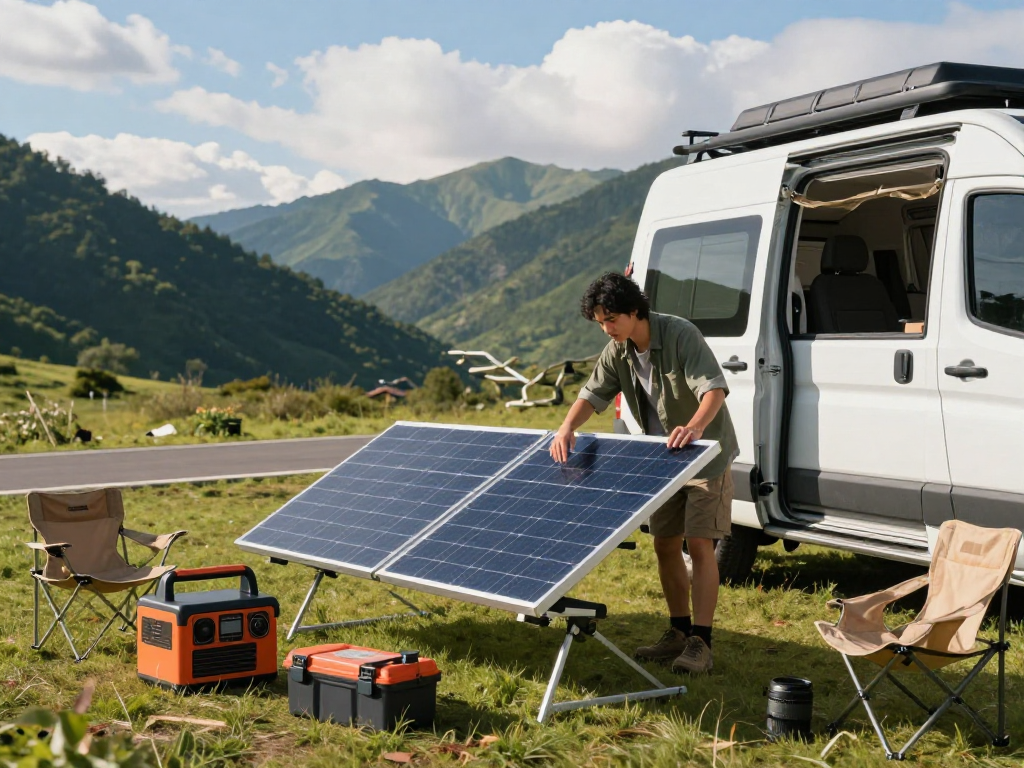
Portable solar panels offer flexibility and are easy to set up, making them a favorite among many vanlifers. In contrast, fixed solar panels are more efficient as they are installed on the roof, providing a more consistent power supply. Consider your lifestyle and space available on your van when making this choice.
Top Brands for Campervan Solar Solutions in 2026
As the industry evolves, many brands are emerging as leaders in solar technology. Brands like Renogy, Goal Zero, and Zamp Solar are consistently rated highly for their quality and reliability in the campervan market. Researching user reviews and performance will help you make an informed decision.
Wiring Your Campervan: Best Practices
Wiring the electrical system of your campervan is a critical step in your conversion, requiring attention to detail and adherence to safety standards. A well-designed wiring system not only enhances performance but also prevents potential hazards.
Essential Tools and Equipment for Wiring Installations?
Gather the right tools before embarking on your wiring project. Essential items include a wire stripper, crimping tool, multimeter, and various gauges of wire. Investing in quality tools will make your installation process smoother and more efficient.
Common Wiring Mistakes to Avoid
One of the most common mistakes is using wires that are too thin, leading to overheating and potential fire hazards. Additionally, poor grounding can cause inconsistent power supply and damage to your electronics. Always double-check connections and ensure that your wiring matches your planned electrical load.
Step-by-Step Guide to Wiring Your Conversion
Start by planning your layout and drawing a schematic of your wiring system. From there, install your battery and run wiring through your van to each appliance, adhering to best practices for secure connections. Labeling wires during installation will help during troubleshooting and future modifications.
Insulation Choices for Optimal Energy Efficiency
Proper insulation is essential for maintaining a comfortable internal temperature in your campervan. It also plays a vital role in energy efficiency, as it reduces the heating and cooling load on your system.
How Insulation Affects Temperature Control and Energy Use?
Good insulation minimizes heat transfer between the external environment and the interior of your van. This means less reliance on heating or cooling systems, leading to energy savings and a more comfortable living environment. Understanding insulation R-values can help you choose the right materials.
Comparative Analysis of Insulation Materials
Common insulation materials include spray foam, fiberglass, and reflective foil. Each has its benefits and drawbacks: spray foam offers excellent air sealing properties, fiberglass is cost-effective, and reflective foil is great for hot climates as it reflects radiant heat. Consider your travel destinations and climate when selecting insulation.
Expert Tips for Proper Installation of Insulation
For optimal results, ensure that insulation is installed without gaps or voids, which can compromise its effectiveness. It’s also wise to use vapor barriers to prevent moisture buildup, which can lead to mold and structural damage.
Future Trends in Campervan Conversions
As the van life movement continues to grow, several emerging trends are influencing how enthusiasts are converting their vehicles, particularly regarding sustainability and technology.
Emerging Technologies for Sustainable Energy
The advent of new battery technology and solar innovations is set to redefine campervan energy solutions. Solid-state batteries and advanced solar cells promise greater efficiency and longer lifespans as they become more mainstream in 2026.
The Role of Smart Technology in Van Life?
Smart technology is revolutionizing campervan living, with apps available to monitor energy consumption, control lighting, and manage temperatures. As these technologies become more accessible, they will enhance convenience and comfort for van lifers.
Predicted Changes for the Industry in 2026
With the rise of eco-conscious living, we expect a greater demand for sustainably sourced materials and energy-efficient appliances in camper conversions. Moreover, the availability of DIY kits for solar and battery installations is anticipated to grow, simplifying the process for beginners.
What are the Best Practices for Meeting Energy Standards?
As regulations around energy efficiency tighten, following best practices such as selecting Energy Star-rated appliances and using LED lighting will become increasingly important for eco-friendly conversions. Staying informed about the latest industry standards will help ensure compliance while maximizing your van's energy efficiency.